Selling in Modesto is about winning the first two weeks. If you price just right, handle a few high‑ROI fixes, and launch with strong media, you can capture more buyers and better terms. You want clarity, not guesswork. This guide gives you a straightforward plan based on current local data, cost‑vs‑value research, and California’s disclosure rules so you can sell with confidence. Let’s dive in.
Modesto market snapshot: price and pace
Modesto’s home values sit in the mid‑$400k range, and buyers respond quickly to well‑priced, move‑in‑ready homes. The Zillow Home Value Index for Modesto was about $440,800 as of 2/28/2026, and Zillow also reports many homes move to pending in roughly 25 days. The Redfin Modesto market page shows recent medians in the low to mid $400s, while the Realtor.com local snapshot tracks similar pricing plus changes in active listings.
What this means for you:
- Expect strong buyer sensitivity to price and condition near the mid‑$400k band.
- Days on market varies by neighborhood and preparation level. Turnkey homes that are well priced typically sell faster.
- If active listings rise, you need sharper preparation and marketing to keep leverage.
Use your neighborhood MLS comps for a final number and note the date of your snapshot in your plan.
Price strategy: win weeks one and two
The launch window is your leverage. Most listing views and showings happen in the first 7 to 14 days, so choose a pricing approach that earns attention immediately.
Build a clean CMA
Base value on recent closed sales in your micro‑market. Aim for the last 3 months when possible, and compare by living area, lot size, bed/bath count, age and condition, renovations, and parking. Include at least three comps that bracket value, then use price per square foot as a final check rather than a primary driver.
Choose a tactic and know the trade‑offs
- Market‑match pricing: List near fair market value to attract a wide buyer pool and support appraisal alignment. Good for predictable negotiations.
- Strategic underpricing: List slightly below market to spur multiple offers when inventory is tight. Riskier if inventory is rising or demand is soft.
- Aspirational pricing: List above market only for unique homes. Be ready for longer days on market and potential reductions.
Tip: Monitor the most recent closed sales and the active competition the week you list. Your best offers usually arrive early, so set the price to earn them.
Prep checklist: high‑ROI, fast actions
Prioritize low‑cost, high‑impact items that improve first impressions and photos.
Clean, declutter, and neutralize walls. Fresh, neutral paint and clear surfaces make rooms feel larger and more inviting.
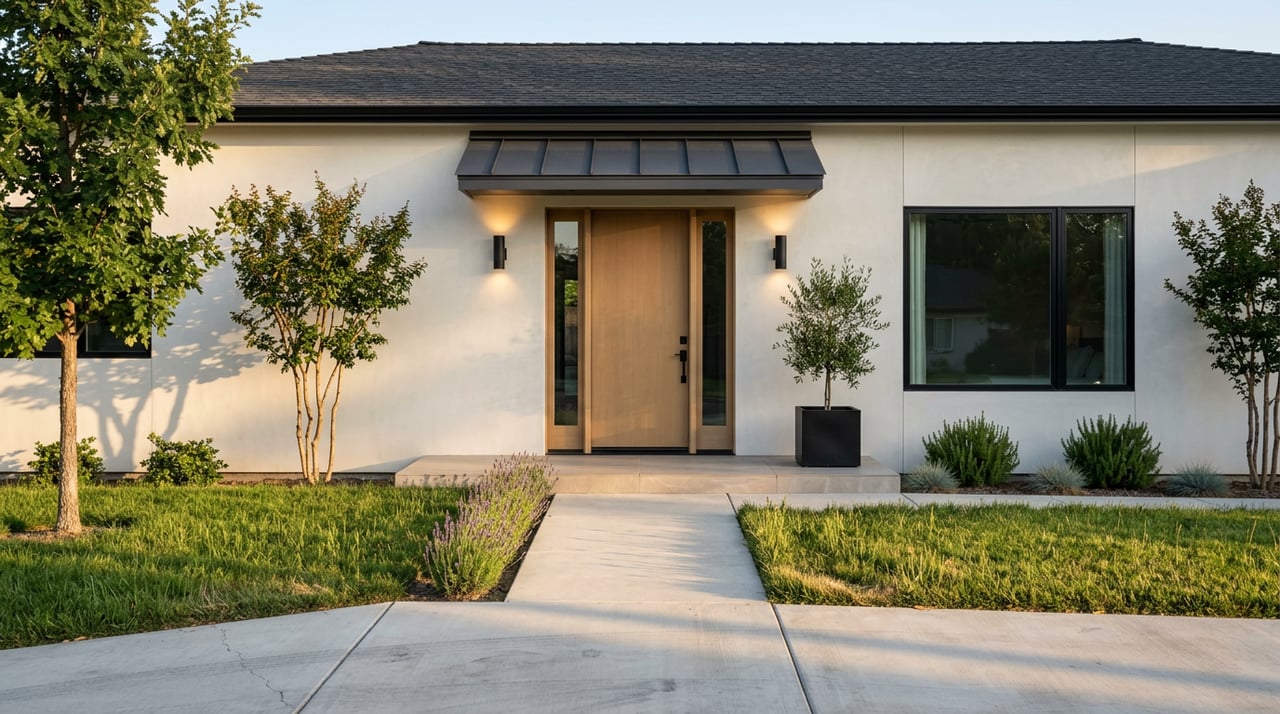
Boost curb appeal and the entry. Simple landscaping, pressure washing, fresh house numbers, and updated entry hardware matter. According to the Pacific/Sacramento Cost vs. Value data, entry door and garage door replacements show very high recoup percentages in this region, often over 200 percent for certain scopes.
Tackle minor kitchen updates. Paint and new hardware, refreshed lighting, and a backsplash update can outperform a full gut for return. The same regional Cost vs. Value dataset shows minor kitchen remodels often recoup well compared with major overhauls.
Fix obvious flaws. Repair leaky faucets, broken panes, inoperable lights, and damaged trim. Small defects can signal larger hidden issues to buyers.
Stage the spaces that sell. Focus on the living room, kitchen, and primary bedroom. The 2025 NAR report on home staging notes agents commonly see staged homes sell faster, and many report higher offers, often in the 1 to 10 percent range where staging is impactful.
Invest in great listing media. Professional photos, a floor plan, and a short video or 3D tour help buyers visualize the layout. Industry analysis shows professional photos increase views and speed sales.
Case example: Spend about $2,000 to $3,000 on a high‑quality entry refresh and selective hardware upgrades. The Pacific/Sacramento Cost vs. Value page shows entry and garage doors can produce outsized returns, which supports prioritizing curb appeal before big interior projects.
California disclosures: get them ready early
Providing disclosures early builds trust and reduces renegotiation risk.
- Transfer Disclosure Statement (TDS). Most one‑to‑four unit residential sales require it. See the California Department of Real Estate’s disclosure guidance for details and forms buyers expect in a standard packet. Refer to the DRE’s overview for seller obligations and timelines in the reference materials here: California DRE disclosure guidance.
- Smoke alarms and water‑heater bracing. Sellers typically certify compliance through a Water Heater and Smoke Detector statement or include required language in contract paperwork. See the DRE guidance above.
- Lead‑based paint for pre‑1978 homes. Federal Title X requires a lead disclosure, the EPA pamphlet, and a 10‑day inspection period unless waived. Learn more via the EPA’s Title X page.
- Natural Hazard Disclosure (NHD). California requires disclosure of specified hazard zones. Many sellers order a third‑party NHD report and include it with the packet. See the DRE link above for typical forms.
Pre‑listing inspections: reduce surprises
Consider a seller inspection if you want to control timing and scope of repairs and lower the chance of late escrow renegotiations. You can fix priority items up front and share the report with buyers to increase confidence. In California, wood‑destroying pest reports are common requests, and some loan programs may require certain repairs. Your agent can advise on whether to inspect pre‑listing based on your neighborhood and price point.
Launch plan: timing and exposure
- Finalize media and disclosures before you go live. Having your packet ready can shorten negotiation time and help buyers act faster.
- List mid‑week to capture weekend traffic. Many local agents prefer a mid‑week launch to stack showings by Saturday and Sunday. Monitor your MLS for current traffic patterns.
- Use full syndication details. Confirm accurate room counts, square footage, and a complete photo set so the listing ranks well in online search.
- Host a targeted agent preview when it fits your price point and neighborhood. Early broker feedback can surface adjustments that increase show quality.
Compare offers like a pro
Headline price is only part of the story. Create a simple side‑by‑side that captures value and risk.
Net proceeds first
Build a one‑line net sheet for each offer: Offer price, minus seller closing costs, minus credits to buyer, minus any planned repairs, equals your estimated net. Comparing nets side by side can make the best choice obvious.
Financing strength and certainty
Cash usually carries the least risk. Strong conventional pre‑approval is next, followed by loan types that can add appraisal or repair sensitivity. Ask for a robust pre‑approval with lender contact details.
Contingencies and timelines
Shorter or fewer contingencies reduce fall‑through risk. Look at inspection, appraisal, and loan timelines, and whether the buyer requests the sale of another home first. Make sure the close date and any rent‑back match your move plans.
Appraisal gaps and deposits
Check for appraisal‑gap coverage and earnest money size. A buyer willing to bridge a short appraisal or post a larger deposit may offer more certainty.
Repair credits vs. requests
Some buyers prefer credits instead of repairs. Price the credit realistically and prefer firm dollar amounts when possible.
Note: Even with a clean offer, you must still deliver all required California disclosures and compliance statements referenced above.
Your Modesto seller playbook
- Dial in price with a current CMA and a clear launch strategy.
- Complete small, high‑ROI fixes and targeted staging.
- Invest in professional media and prep disclosures early.
- Launch mid‑week, monitor traffic, adjust quickly if needed.
- Compare offers with a net sheet and risk checklist, then choose the path that fits your timing and goals.
Ready to position your Modesto home to sell well? Connect with our broker‑led team for a pricing review, a tailored prep plan, and a confident launch. Adroit Real Estate is built for strategy, negotiation strength, and clear execution. Let’s talk strategy.
FAQs
How much should a Modesto seller spend on pre‑listing repairs?
- Focus on low‑cost, high‑impact items like paint, curb appeal, and minor kitchen updates. The Pacific/Sacramento Cost vs. Value data shows entry and garage doors, plus selective kitchen refreshes, often deliver strong recoupment.
Do I need to stage my Modesto home to sell?
- Staging often shortens market time and can increase offers in many cases. The 2025 NAR staging report suggests targeting the living room, kitchen, and primary bedroom if budget is tight.
Should I get a pre‑listing inspection in California?
- Consider one if you want fewer surprises and more control over repairs and timing. Sharing the report can build buyer confidence and reduce renegotiation risk.
What disclosures are required for California home sellers?
- Most sales require the Transfer Disclosure Statement, Natural Hazard Disclosure items, and confirmation of smoke alarms and water‑heater bracing. Pre‑1978 homes also require federal lead‑paint disclosures and the EPA pamphlet. See the DRE disclosure guidance and the EPA’s Title X page.
What listing media matters most for Modesto buyers?
- Professional photos, a floor plan, and a short video or 3D tour drive online engagement. Industry analysis shows pro photos attract more views and faster sales.