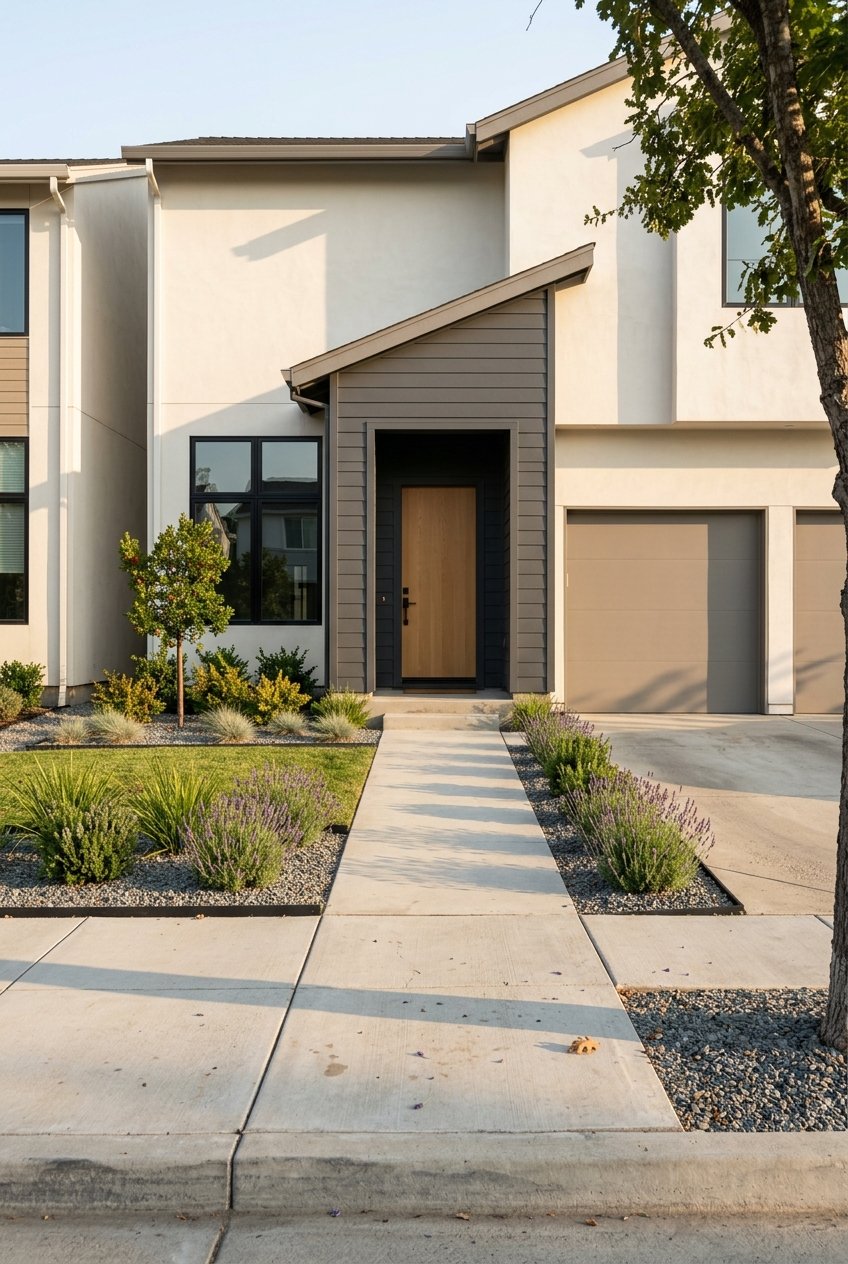
If you are thinking about a move to Roseville, one question matters more than almost anything else: what will daily life actually feel like once you live there? That is often the difference between choosing a home that simply looks good online and choosing one that truly fits your routine. In Roseville, your lifestyle and your housing type can line up in very practical ways, from traditional single-family neighborhoods to more compact homes closer to shopping, trails, and transit. Let’s break down how Roseville living works day to day and what kinds of homes tend to support different goals.
Roseville at a Glance
Roseville is a growing city in Placer County with an estimated population of 163,304 as of July 2024. It sits about 20 miles northeast of Sacramento along Interstate 80, which helps explain why it appeals to people who want access to both local amenities and regional job centers.
The city also points to its Mediterranean climate as a big part of everyday life. In practical terms, that means you can plan for outdoor time through much of the year, whether that looks like walking trails, park visits, or easy day trips to places like the Sierra Nevada foothills, Folsom Lake, San Francisco, or Lake Tahoe.
Everyday Life in Roseville
Shopping and dining are built in
Roseville functions as a major retail hub for the region. Westfield Galleria at Roseville and the Fountains at Roseville form two major shopping nodes, with the Galleria described by the city as one of the largest malls in Northern California and home to more than 240 stores.
Across the street, the Fountains adds another layer of shopping and dining. If your routine includes running errands, meeting friends for a meal, or keeping daily conveniences close by, that part of Roseville living is already well established.
Downtown is evolving
Downtown Roseville is not standing still. The city’s Downtown Specific Plan covers 176 acres and is expected to add 900,000 square feet of new ground-floor retail and 1,020 residential units at build-out.
That matters if you are looking for a more mixed-use setting. As downtown adds housing and retail together, it supports a lifestyle where some daily needs and activities can happen closer to home.
Parks and trails shape routines
For many buyers, outdoor access is not a bonus. It is part of how a city feels Monday through Sunday. Roseville maintains more than 80 unique park sites, along with more than 110 miles of on-street bike lanes and more than 51 miles of off-street paved trails as of May 2025.
That scale of park and trail infrastructure can change your routine in simple ways. You may be more likely to bike, walk, or spend regular time outdoors because the city is already built to support it.
Commuting From Roseville
Roseville can work well for people who need regional access. The city’s transit system includes local fixed routes within Roseville, connections with Placer County Transit and Sacramento Regional Transit, and express commuter routes between Roseville and downtown Sacramento during weekday peak hours.
The city launched revised commuter schedules in 2025 after analysis and rider feedback. Census data for 2020 through 2024 lists a mean travel time to work of 27.3 minutes for Roseville workers, which gives you a useful baseline when thinking about how far your job, errands, and daily destinations may feel from home.
Housing Types You Will Find in Roseville
One of the most useful ways to understand Roseville housing is to look at the city’s zoning framework. It shows a clear range of housing types, which helps explain why the city can appeal to buyers with very different priorities.
Detached single-family homes
Roseville’s R1 district is intended for detached single-family homes and similar uses. The RS district also allows single-family dwellings, either attached or detached.
If you picture a more conventional suburban setup, these are often the housing categories that best match that goal. They can make sense if you want a home base with a more traditional neighborhood layout and a bit more separation from neighboring properties.
Duplex-style options
The R2 district allows two dwellings per lot, including duplexes. This creates a middle-ground housing type that can serve buyers looking for flexibility without jumping all the way to a larger multi-unit format.
For some households, that flexibility matters. It may support changing needs over time, shared living arrangements, or a property setup with more than one residential space on the lot.
Condos, townhomes, and apartments
Roseville’s R3 district is intended for apartments, condominiums, townhomes, and small-lot cluster housing. These housing types often line up with buyers or renters who want a more compact footprint and less exterior upkeep.
They can also fit people who want to stay closer to retail, services, and transit connections. If your priority is convenience and lower-maintenance living, these categories are worth a close look.
Mixed residential options
The RMU district is designed to support a mix of residential uses and dwelling types. This kind of zoning can support a broader variety of living arrangements and can line up well with areas that are evolving toward a more mixed-use pattern.
That is especially relevant when you look at downtown Roseville’s long-term direction. As more housing types are added near retail and activity centers, the city offers more options for people who want a less car-dependent routine for at least part of their day.
Accessory dwelling units
Accessory dwelling units, or ADUs, are permitted in single-family, two-family, and multi-family zones. That gives some properties an extra layer of flexibility.
Depending on your goals, an ADU-capable property may support multigenerational living, future household changes, or additional residential use on the same property. When you evaluate a property, this kind of flexibility can be worth thinking about early rather than later.
How Lifestyle and Housing Type Connect
The right home in Roseville is not just about square footage. It is about matching the property type to the way you want your week to run.
If you want a classic suburban setup
Detached homes in R1 or RS areas often align with buyers who want a more traditional residential environment. If your routine centers on driving to work, using parks on weekends, and having a more conventional neighborhood feel, these homes may fit best.
This setup can also appeal if you want your home to function as a steady base for regional travel. Roseville’s Interstate 80 location supports access to Sacramento and makes day trips more practical.
If you want lower-maintenance living
Condos, townhomes, apartments, and other compact housing in R3 or RMU areas may fit better if you want a simpler day-to-day routine. If you would rather spend less time on exterior upkeep and more time enjoying nearby shopping, dining, parks, or transit, these housing types can support that.
This is also where downtown growth becomes important. As new residential units come online in more mixed-use settings, buyers will likely see more options that fit a convenient, connected lifestyle.
If you want flexibility built in
R2 properties and ADU-capable homes can make sense if your housing needs may change over time. You may be planning for shared living, extra space for relatives, or a property with more than one usable residential component.
From a strategy standpoint, flexibility matters because it can give you more ways to use the property in the future. That does not make every flexible property the right one, but it does make these options worth evaluating carefully.
What the Numbers Say About the Market
Roseville remains strongly owner-oriented by Census measures. The owner-occupied housing unit rate is 68.8%, the median value of owner-occupied housing units is $661,400, and median gross rent is $2,142 for 2020 through 2024.
Those numbers help frame the city’s housing landscape. Roseville offers a range of housing types, but it remains a market where ownership plays a central role in the overall mix.
How to Choose the Right Fit in Roseville
If you are narrowing your search, start with your routine before you start with finishes or features. A well-matched home usually supports how you commute, shop, relax, and spend time outdoors.
Ask yourself questions like:
- Do you want a more traditional detached home setup?
- Would a condo or townhome make daily life easier?
- How important is quick access to shopping and dining?
- Do trails, parks, and outdoor activity shape your weekly routine?
- Would an ADU or duplex-style layout give you useful flexibility?
- Do you want to stay closer to downtown growth or prefer a more conventional residential pattern?
When you answer those questions first, your home search gets sharper. You stop chasing every listing and start focusing on the homes that truly fit your life.
Roseville offers more than one way to live well, and that is part of its appeal. Whether you want a conventional suburban home base, a lower-maintenance property near activity centers, or a flexible setup that can adapt over time, the city’s housing mix gives you real choices.
At Adroit, we look at real estate through a strategy lens. That means helping you connect lifestyle, property type, location, and long-term fit so you can make a move with more clarity. If you are weighing your options in Roseville, Adroit Real Estate is ready to help you map the right next step.
FAQs
What is everyday life like in Roseville, California?
- Roseville combines regional shopping, dining, parks, trails, and commuter access. The city also has a Mediterranean climate and extensive outdoor amenities that support year-round activity.
What housing types are common in Roseville?
- Roseville includes detached single-family homes, attached single-family homes, duplexes, apartments, condominiums, townhomes, small-lot cluster housing, mixed residential formats, and properties that may allow ADUs.
Is Roseville a good fit for buyers who want outdoor access?
- Roseville maintains more than 80 park sites, more than 110 miles of on-street bike lanes, and more than 51 miles of off-street paved trails, which makes outdoor activity a practical part of daily life.
What is the commute like from Roseville to Sacramento?
- Roseville offers express commuter transit routes to downtown Sacramento during weekday peak hours, and Census data lists a mean travel time to work of 27.3 minutes for Roseville workers in 2020 through 2024.
Are there lower-maintenance housing options in Roseville?
- Yes. Roseville zoning allows housing types such as condos, townhomes, apartments, and mixed residential formats that may suit buyers looking for a more compact, lower-maintenance lifestyle.
Does Roseville have flexible housing options like ADUs or duplexes?
- Yes. The city allows duplexes in R2 zones, and accessory dwelling units are permitted in single-family, two-family, and multi-family zones.